

-
Faculty of Arts and HumanitiesJakobi 2, r 116-121, 51005 Tartu linn, Tartu linn, TartumaaJakobi 2, 51005 Tartu linn, Tartu linn, TartumaaJakobi 2, IV korrus, 51005 Tartu linn, Tartu linn, TartumaaJakobi 2, III korrus, ruumid 302-337, 51005 Tartu linn, Tartu linn, TartumaaÜlikooli 16, 51003 Tartu linn, Tartu linn, TartumaaÜlikooli 18, 50090 Tartu linn, Tartu linn, TartumaaLossi 3, 51003 Tartu linn, Tartu linn, TartumaaPosti 1, 71004 Viljandi linn, ViljandimaaJakobi 2, 51005 Tartu linn, Tartu linn, TartumaaJakobi 2, 51005 Tartu linn, Tartu linn, TartumaaFaculty of Social SciencesLossi 36, 51003 Tartu linn, Tartu linn, TartumaaJakobi 5, 51005 Tartu linn, Tartu linn, TartumaaLossi 36, ruum 301, 51003 Tartu linn, Tartu linn, TartumaaNarva mnt 18, 51009 Tartu linn, Tartu linn, TartumaaNäituse 2, 50409 Tartu linn, Tartu linn, TartumaaNäituse 20 - 118, 50409 Tartu linn, Tartu linn, TartumaaLossi 36, 51003 Tartu linn, Tartu linn, TartumaaRaekoja plats 2, 20307 Narva linn, Ida-VirumaaLossi 36, 51003 Tartu linn, Tartu linn, TartumaaLossi 36, 51003 Tartu linn, Tartu linn, TartumaaFaculty of MedicineRavila 19, 50411 Tartu linn, Tartu linn, TartumaaBiomeedikum, Ravila 19, 50411 Tartu linn, Tartu linn, TartumaaNooruse 1, 50411 Tartu linn, Tartu linn, TartumaaL. Puusepa 1a, 50406 Tartu linn, Tartu linn, TartumaaL. Puusepa 8, 50406 Tartu linn, Tartu linn, TartumaaRavila 19, 50411 Tartu linn, Tartu linn, TartumaaUjula 4, 51008 Tartu linn, Tartu linn, TartumaaRavila, 50411 Tartu linn, Tartu linn, TartumaaRavila 19, 50411 Tartu linn, Tartu linn, TartumaaFaculty of Science and TechnologyVanemuise 46 - 208, 51003 Tartu linn, Tartu linn, TartumaaNarva mnt 18, 51009 Tartu linn, Tartu linn, TartumaaRavila 14a, 50411 Tartu linn, Tartu linn, TartumaaNarva mnt 18, 51009 Tartu linn, Tartu linn, TartumaaRiia 23, 23b - 134, 51010 Tartu linn, Tartu linn, TartumaaNooruse 1, 50411 Tartu linn, Tartu linn, TartumaaJ. Liivi tn 2, 50409 Tartu linn, Tartu linn, TartumaaRiia 23b/2, 51010 Tartu linn, Tartu linn, TartumaaVanemuise 46, 51003 Tartu linn, Tartu linn, TartumaaVanemuise 46, 51003 Tartu linn, Tartu linn, TartumaaArea of RectorArea of Vice Rector for Academic AffairsUppsala 10, 51003 Tartu linn, Tartu linn, TartumaaÜlikooli 18b, 51005 Tartu linn, Tartu linn, TartumaaÜlikooli 18a (III korrus), 51005 Tartu linn, Tartu linn, TartumaaArea of Vice Rector for ResearchW. Struve 1, 50091 Tartu linn, Tartu linn, TartumaaArea of Director of AdministrationÜlikooli 18, ruumid 102, 104, 209, 210, 50090 Tartu linn, Tartu linn, TartumaaÜlikooli 18A (III korrus), 51005 Tartu linn, Tartu linn, TartumaaArea of Head of FinanceÜlikooli 17, 51005 Tartu linn, Tartu linn, TartumaaArea of Vice Rector for DevelopmentLossi 25, 51003 Tartu linn, Tartu linn, TartumaaVanemuise 46, 51003 Tartu linn, Tartu linn, TartumaaNarva mnt 18, 51009 Tartu linn, Tartu linn, TartumaaArea of Academic SecretaryUppsala 6, Lossi 36, 51003 Tartu linn, Tartu linn, Tartumaa
Topic: cooperation

Estonian lunar rover platform KuupKulgur makes its debut at Luna, Europe’s unique Lunar analogue site
KuupKulgur, an Estonian lunar rover platform co-developed by Tartu Observatory and MTÜ KuupKulgur, reached a significant milestone in Estonia’s space robotics journey when it recently became the first Estonian-developed rover platform to operate at the unique lunar replica site, the ESA-DLR LUNA facility in Cologne, Germany.

Public lecture by Jean-Pierre Bourguignon, former President of the European Research Council, at the University of Tartu
On 15 May, from 10:15 to 11:45, he gives a public lecture “Applying for ERC grants. The future of European research” in the building of the Institute of Cultural Research (Ülikooli 16–216).

European Doctoral Day highlights the value of the doctoral degree
European Doctoral Day is held on 13 May to inspire students to pursue doctoral education, increase employers’ awareness of the value of doctoral degrees, and showcase the diverse career opportunities.
11 May 2026
cooperation

Kick-off meeting launches Tartu–Tautenburg collaboration
On 19 January 2026, stellar physicists from Tartu Observatory, University of Tartu and the Thuringian State Observatory Tautenburg (TLS) held a kick-off meeting to initiate a new international collaboration “Building Up A Network To Study Hot Planets Of Hot Stars”.
23 January 2026
cooperation

E-Sailors Project Launches at Tartu Observatory
On 6–7 November, the Tartu Observatory of the University of Tartu hosted the kick-off meeting of the international research collaboration project E-Sailors (The Electric Solar Wind Sail Doctors).

Estonia’s top universities and the Estonian Student Satellite Foundation launch historic collaboration in space technology
Estonian space education and space technology are entering a new phase. On 22 August, the University of Tartu (UT), Tallinn University of Technology and the Estonian Student Satellite Foundation signed an official cooperation agreement to initiate a joint space programme running for at least three years.
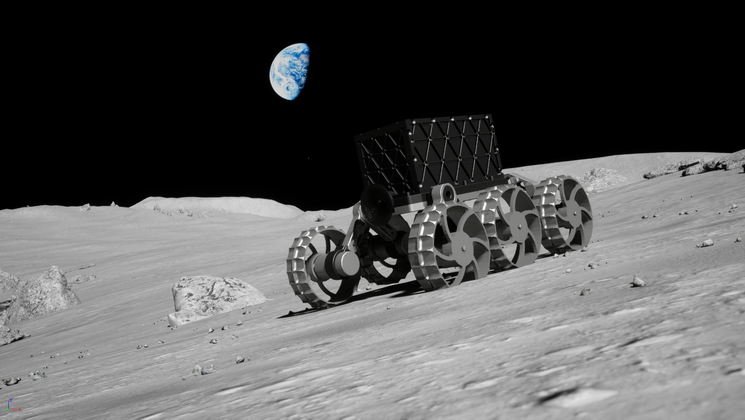
Tartu Observatory partners with Proekspert and KuupKulgur to develop AI-based navigation for Lunar exploration
Tartu Observatory will start developing advanced AI-enabled simultaneous localization and mapping (SLAM) solutions for planetary exploration.

Doctoral studies are preparation for becoming top-level professionals or managers
On 11 February, the University of Tartu Library hosts the Estonian Doctoral School’s career conference “The value of a doctoral degree on the job market” where top professionals with a doctoral degree and current doctoral students discuss the added value of doctoral studies.

Guidelines for interdisciplinary and transdisciplinary research have been published
Led by the Dean’s Office of the Faculty of Social Sciences and the Centre for Sustainable Development of the University of Tartu, a guidance material has been developed for researchers on how to conduct interdisciplinary and transdisciplinary research.

Estonian Consortium Develops World's First Space Cyber Range in Collaboration with ESA
Estonian Consortium Develops World's First Space Cyber Range in Collaboration with ESA.
