

-
Faculty of Arts and HumanitiesJakobi 2, r 116-121, 51005 Tartu linn, Tartu linn, TartumaaJakobi 2, 51005 Tartu linn, Tartu linn, TartumaaJakobi 2, IV korrus, 51005 Tartu linn, Tartu linn, TartumaaJakobi 2, III korrus, ruumid 302-337, 51005 Tartu linn, Tartu linn, TartumaaÜlikooli 16, 51003 Tartu linn, Tartu linn, TartumaaÜlikooli 18, 50090 Tartu linn, Tartu linn, TartumaaLossi 3, 51003 Tartu linn, Tartu linn, TartumaaPosti 1, 71004 Viljandi linn, ViljandimaaJakobi 2, 51005 Tartu linn, Tartu linn, TartumaaJakobi 2, 51005 Tartu linn, Tartu linn, TartumaaFaculty of Social SciencesLossi 36, 51003 Tartu linn, Tartu linn, TartumaaJakobi 5, 51005 Tartu linn, Tartu linn, TartumaaLossi 36, ruum 301, 51003 Tartu linn, Tartu linn, TartumaaNarva mnt 18, 51009 Tartu linn, Tartu linn, TartumaaNäituse 2, 50409 Tartu linn, Tartu linn, TartumaaNäituse 20 - 118, 50409 Tartu linn, Tartu linn, TartumaaLossi 36, 51003 Tartu linn, Tartu linn, TartumaaRaekoja plats 2, 20307 Narva linn, Ida-VirumaaLossi 36, 51003 Tartu linn, Tartu linn, TartumaaLossi 36, 51003 Tartu linn, Tartu linn, TartumaaFaculty of MedicineRavila 19, 50411 Tartu linn, Tartu linn, TartumaaBiomeedikum, Ravila 19, 50411 Tartu linn, Tartu linn, TartumaaNooruse 1, 50411 Tartu linn, Tartu linn, TartumaaL. Puusepa 1a, 50406 Tartu linn, Tartu linn, TartumaaL. Puusepa 8, 50406 Tartu linn, Tartu linn, TartumaaRavila 19, 50411 Tartu linn, Tartu linn, TartumaaUjula 4, 51008 Tartu linn, Tartu linn, TartumaaRavila, 50411 Tartu linn, Tartu linn, TartumaaRavila 19, 50411 Tartu linn, Tartu linn, TartumaaFaculty of Science and TechnologyVanemuise 46 - 208, 51003 Tartu linn, Tartu linn, TartumaaNarva mnt 18, 51009 Tartu linn, Tartu linn, TartumaaRavila 14a, 50411 Tartu linn, Tartu linn, TartumaaNarva mnt 18, 51009 Tartu linn, Tartu linn, TartumaaRiia 23, 23b - 134, 51010 Tartu linn, Tartu linn, TartumaaNooruse 1, 50411 Tartu linn, Tartu linn, TartumaaJ. Liivi tn 2, 50409 Tartu linn, Tartu linn, TartumaaRiia 23b/2, 51010 Tartu linn, Tartu linn, TartumaaVanemuise 46, 51003 Tartu linn, Tartu linn, TartumaaVanemuise 46, 51003 Tartu linn, Tartu linn, TartumaaArea of RectorArea of Vice Rector for Academic AffairsUppsala 10, 51003 Tartu linn, Tartu linn, TartumaaÜlikooli 18b, 51005 Tartu linn, Tartu linn, TartumaaÜlikooli 18a (III korrus), 51005 Tartu linn, Tartu linn, TartumaaArea of Vice Rector for ResearchW. Struve 1, 50091 Tartu linn, Tartu linn, TartumaaArea of Director of AdministrationÜlikooli 18, ruumid 102, 104, 209, 210, 50090 Tartu linn, Tartu linn, TartumaaÜlikooli 18A (III korrus), 51005 Tartu linn, Tartu linn, TartumaaArea of Head of FinanceÜlikooli 17, 51005 Tartu linn, Tartu linn, TartumaaArea of Vice Rector for DevelopmentLossi 25, 51003 Tartu linn, Tartu linn, TartumaaVanemuise 46, 51003 Tartu linn, Tartu linn, TartumaaNarva mnt 18, 51009 Tartu linn, Tartu linn, TartumaaArea of Academic SecretaryUppsala 6, Lossi 36, 51003 Tartu linn, Tartu linn, Tartumaa
Topic: research

Estonia’s top universities and the Estonian Student Satellite Foundation launch historic collaboration in space technology
Estonian space education and space technology are entering a new phase. On 22 August, the University of Tartu (UT), Tallinn University of Technology and the Estonian Student Satellite Foundation signed an official cooperation agreement to initiate a joint space programme running for at least three years.

Cosmic Highways: Galaxy Clusters Reveal Which Way Traffic Flows in the Universe
A new study finds that galaxy clusters — cosmic cities packed with thousands of galaxies — trace invisible highways of dark matter stretching up to a billion light years across the universe. Even more remarkable, the clusters point the way to their neighbors.
08 July 2025
research

Experimental apparatus developed in collaboration with Tartu Observatory was sent to International Space Station
The Axiom Mission 4 was launched from Kennedy Space Center on 25 June at 9:31, delivering volcanic algae to the International Space Station (ISS) for an experiment for which key electronic components were developed at Tartu Observatory.
26 June 2025
research

University of Tartu is the only research institution in Estonia to be positively evaluated in all six fields of research
On 23 May 2025, Minister of Education and Research Kristina Kallas approved the results of the external evaluation of Estonian research and development. The University of Tartu was the only institution in Estonia to receive a positive evaluation in all six fields: natural sciences, engineering and technology, medical and health sciences, agriculture and veterinary sciences, social sciences, and humanities and the arts.
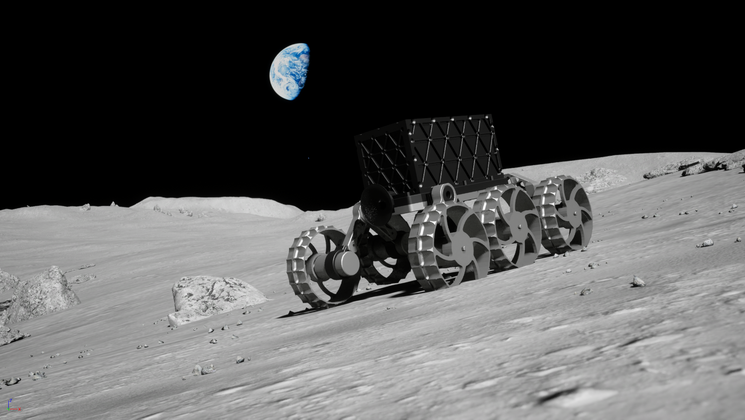
Tartu Observatory partners with Proekspert and KuupKulgur to develop AI-based navigation for Lunar exploration
Tartu Observatory will start developing advanced AI-enabled simultaneous localization and mapping (SLAM) solutions for planetary exploration.
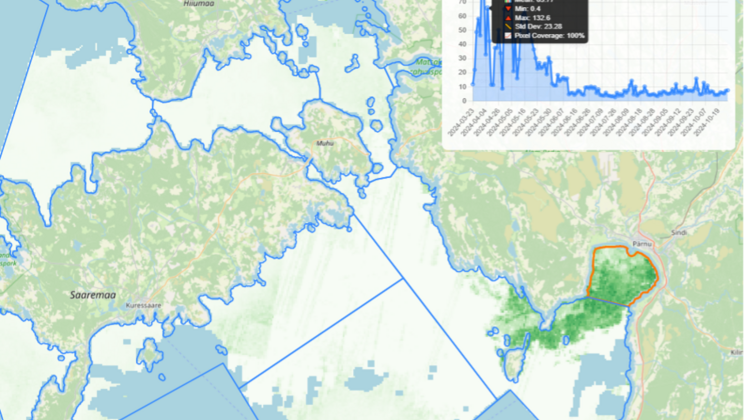
Cop4ESTCoast – A web application for monitoring Estonian coastal waters
The Cop4ESTCoast project was developed to provide a user-friendly web application that enables stakeholders to track key water quality indicators - Chlorophyll-a and transparency.
28 February 2025
research

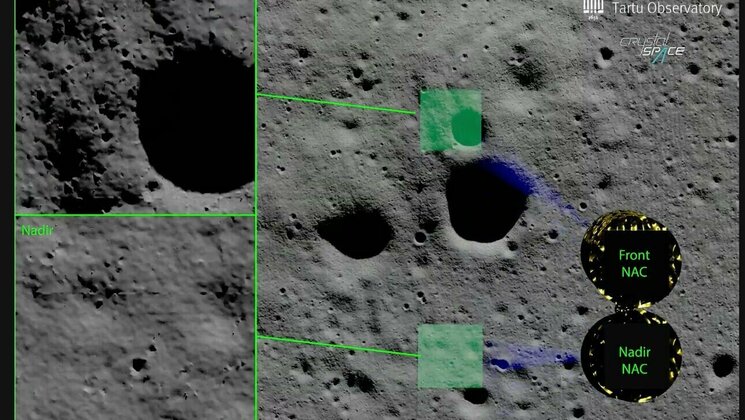
Estonians will start mapping the South Pole of the Moon
The space mission LUMI (Lunar Mapper and Inspector) with Estonian participation will start mapping the South Pole of the Moon.
29 January 2025
research

NUTRILOOPWORKS
Project NutriLoopWorks focuses on circular Nutrient Recovery for Sustainable Municipalities
13 January 2025
research

